

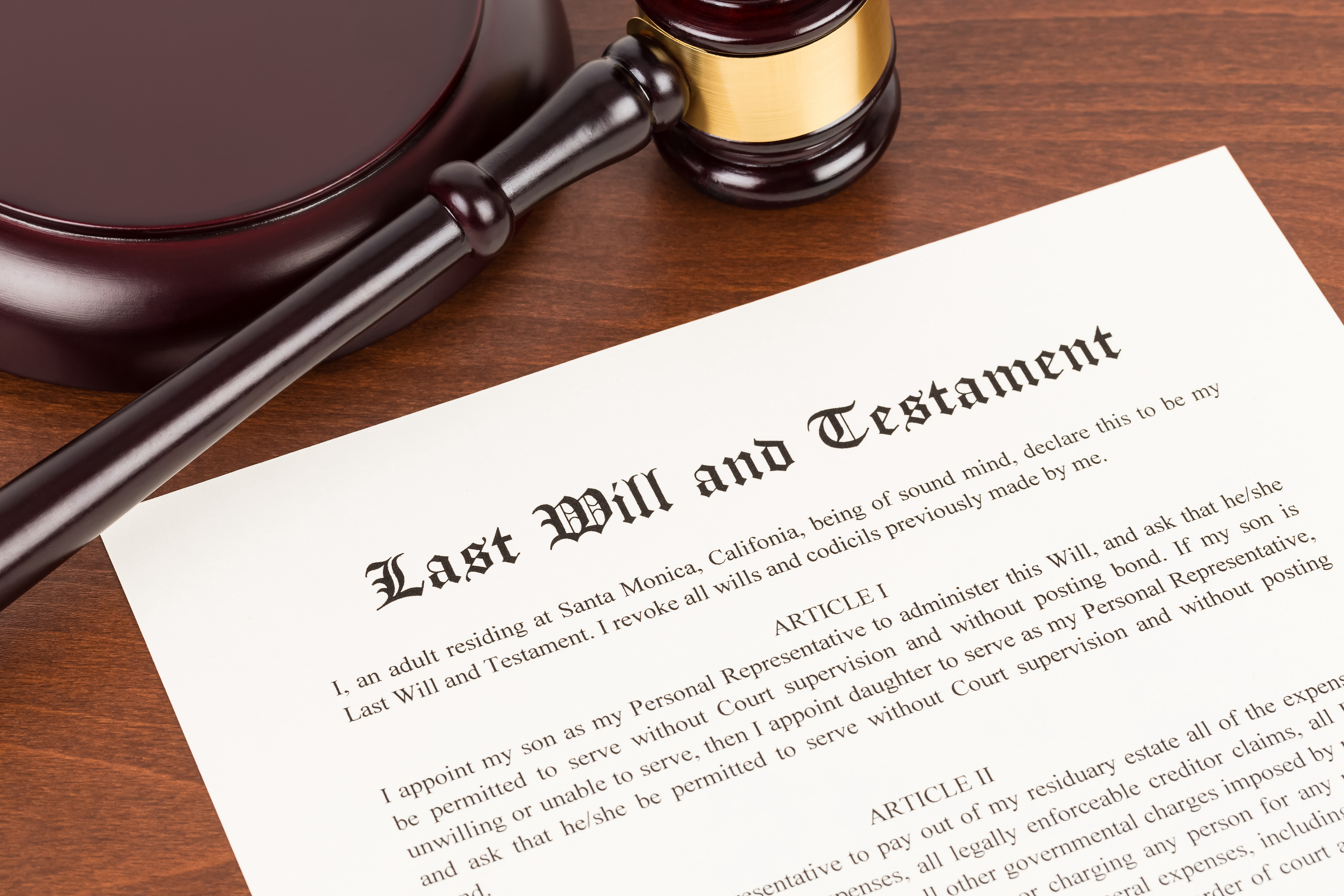
Deciding between a trust and a will is a fundamental choice in estate planning. Both tools serve important purposes, but trusts may provide advantages in certain situations. Understanding the differences between the two helps ensure that your estate plan aligns with your goals, protects your assets, and effectively provides for your loved ones.
Benefits of Trusts
Trusts offer several benefits that make them a preferred option for many estate planning scenarios. Unlike a will, which only takes effect after your passing, they can manage assets during your lifetime and after your passing. This allows for continuity, privacy, and more direct control over the distribution of assets.
Trusts can provide significant advantages for families with minor children, blended families, or individuals with complex estates. They allow for the distribution of assets according to specific instructions, which can include conditions based on age, education, or other milestones. Trusts can also protect beneficiaries from creditors, financial mismanagement, or disputes, ensuring that your intentions are carried out smoothly and efficiently.
Additionally, they offer privacy benefits. Wills go through probate, a public court process, whereas trusts can remain private, preventing details of your estate from being publicly accessible. For families who value confidentiality and discretion, this can be an important consideration.
How to Choose
While wills are generally simpler and less expensive to create, they must go through probate. Probate is the court-supervised process of validating a will and distributing assets. This process can be time-consuming, potentially taking months or even years, and may involve court fees and public scrutiny.
Trusts, on the other hand, can avoid probate entirely. By placing assets in a trust, they can be managed and distributed without the delays and public nature of court proceedings. Trusts can also reduce estate taxes, provide for specific distribution instructions, and offer ongoing management for beneficiaries who may need support over time. The IRS provides guidance on how trusts impact estate and gift taxes, highlighting the potential tax planning benefits of incorporating trusts into your estate strategy.
When a Trust Is Appropriate
Trusts are particularly beneficial in several situations. They are ideal for blended families, where clear instructions are needed to balance the needs of multiple family members. High-value estates also benefit, as they can minimize estate taxes and protect assets from creditors or legal claims.
Trusts can also be tailored for charitable giving, healthcare directives, or long-term financial goals. For example, a charitable remainder trust enables you to support a charity while still benefiting your heirs, and a special needs trust can provide for a dependent without affecting government benefits.
France Law Firm works closely with clients to determine whether a trust or a will is best suited for their unique circumstances. Our attorneys consider family structure, asset complexity, tax implications, and long-term objectives to develop a comprehensive estate plan tailored to your needs.
Next Steps for Estate Planning
Understanding the benefits and limitations of trusts and wills is key to creating an effective estate plan. Consulting with an experienced estate planning attorney ensures that your assets are protected, your intentions are honored, and your family is provided for according to your wishes.
Whether your goal is to maintain control over asset distribution, minimize taxes, protect privacy, or provide for dependents over time, trusts can offer solutions that a will alone cannot. France Law Firm specializes in creating customized estate plans that incorporate trusts, wills, and other legal instruments tailored to meet your objectives.
To begin building a plan that secures your family’s future and protects your assets, schedule a consultation with France Law Firm today. Taking proactive steps now can provide peace of mind and ensure that your legacy is preserved.


